Motor Insurance
Motor insurance is an annual policy that provides financial protection against losses arising from owning and using a motor vehicle. In Kenya, it is also a legal requirement, every vehicle on a public road must carry at least minimum third-party cover.
Beyond legal compliance, motor insurance is one of the most immediately practical protections available. A single accident, theft, or flood event can cost hundreds of thousands of shillings.
Get Started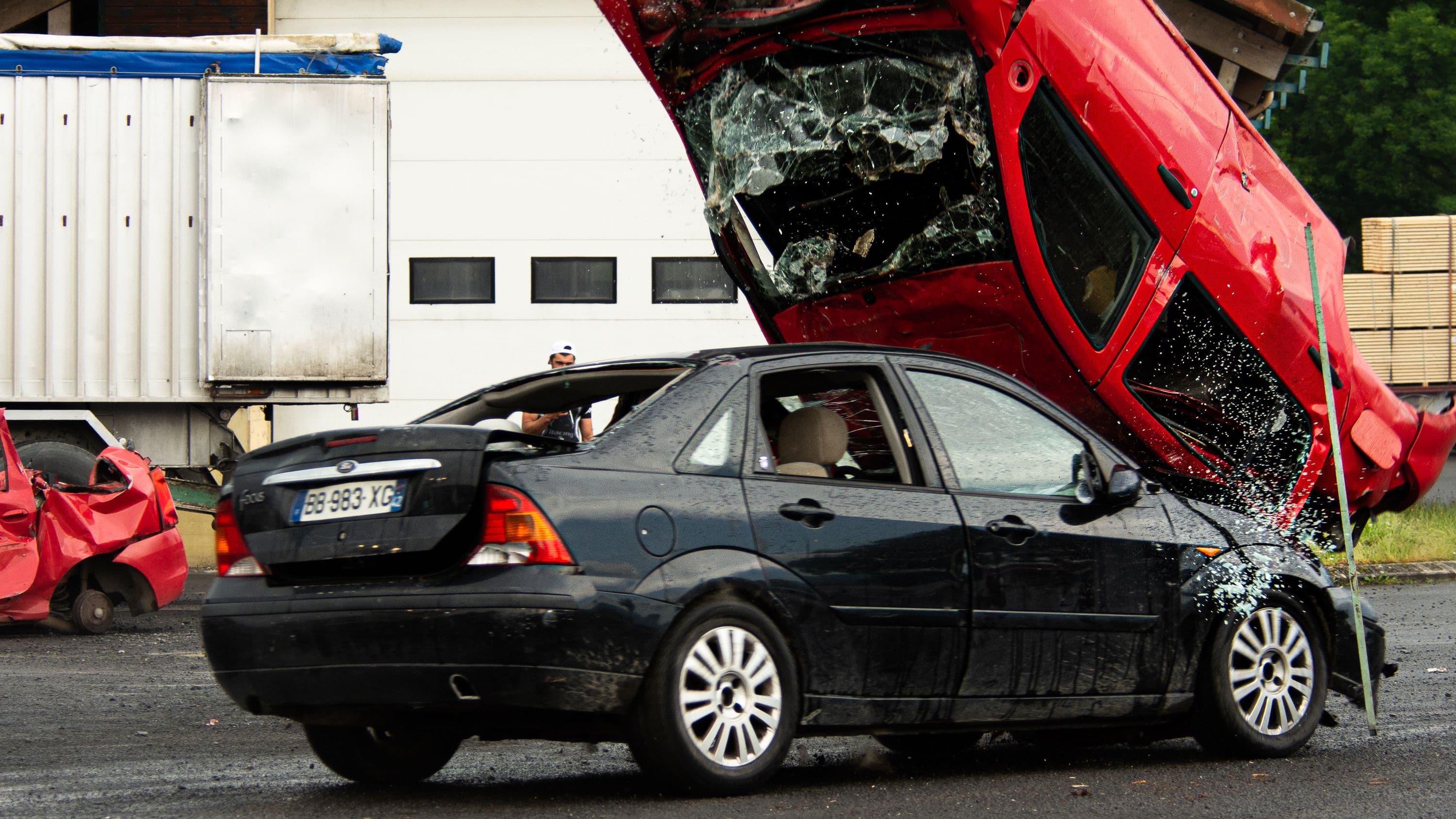
Are you covered for what actually happens on Kenyan roads?
Urban congestion. Potholes. Flash floods. Vehicle theft. Civil unrest. Kenya's road environment presents real daily risks and a minimum TPO sticker does not protect you from most of them.
Legal Compliance
Stay on the right side of Kenyan traffic law, every single day.
Own-Vehicle Protection
Comprehensive cover repairs or replaces your vehicle after an accident, theft, or fire.
Third-Party Liability
If you injure someone in an accident, your legal liability has no cap. Cover absorbs it.
Back on the Road Fast
Insurer-approved garages, fast pre-authorization, and claims support get you moving again.
“TPO keeps you legal. Comprehensive keeps you protected.”
Why Motor Insurance Matters
It Is the Law
Every vehicle on Kenyan roads must carry at least Third-Party Only cover under the Insurance (Motor Vehicles Third Party Risks) Act, Cap 405. Driving without valid insurance is a criminal offence carrying fines of up to Kshs. 50,000 and up to one year imprisonment.
Your Vehicle Is a Major Asset
For most Kenyan households, the car is one of the most significant assets owned. Whether for commuting, business, or income generation, protecting it from accidental damage, theft, or fire is financially responsible.
Kenya's Roads Present Real Risk
Urban congestion, potholes, flash floods, and theft in urban centres are daily realities. A single accident or theft event can cost hundreds of thousands of shillings. Insurance converts that exposure into a manageable annual premium.
Third-Party Liability Can Be Unlimited
If you cause an accident that injures or kills another person, your legal liability has no cap. Without cover, compensation, legal costs, and damages fall entirely on you.
Commercial & Fleet Cover Available
From individual delivery vans and PSV taxis to matatus, fleets, and boda bodas, dedicated commercial vehicle cover is available for every category of vehicle use in Kenya.
Regional Travel Protection
Your Kenyan policy does not extend beyond Kenya's borders. The COMESA Yellow Card extends third-party cover across East and Southern Africa, mandatory at every border crossing.
How It Works
Choose your cover type and add-ons
Select TPO, TPFT, or Comprehensive based on your vehicle's value and your risk appetite. Add extensions like excess protector and PVT cover where relevant.
Get your vehicle valued
For comprehensive cover, your vehicle is valued to establish the correct sum insured. This ensures your premium is accurate and your claim settlement is fair.
Pay your premium and receive your certificate
Once premium is paid, your insurance certificate and sticker are issued. Your cover is active and legally valid from the policy commencement date.
Renew and review annually
Motor insurance is annual. At renewal, review your sum insured against current market value, update your details, and ensure your cover type still matches your actual vehicle use.
The Three Types of Motor Cover
Each offers a different level of protection. The right choice depends on your vehicle's value, your driving environment, and your risk appetite.
Third-Party Only (TPO)
The minimum legal cover required for any vehicle on Kenyan roads. Covers the financial liability you incur towards other people when you cause an accident. Provides no protection for your own vehicle whatsoever.
Covers
- Death or bodily injury caused to a third party
- Damage to third-party property or vehicles
- Legal representation costs for third-party claims
Does Not Cover
- Accidental damage to your own vehicle
- Theft or fire damage to your own vehicle
- Any cost of repairing your own vehicle
Typical Premium
From approx. Kshs. 7,850 per year
Very low-value vehicles where the cost of comprehensive cover exceeds the financial benefit of protecting the vehicle. Not recommended for vehicles with meaningful market value.
Third-Party Fire & Theft (TPFT)
Extends TPO cover to also protect your own vehicle against two specific risks, theft and fire damage. A middle-ground option that sits between TPO and comprehensive.
Covers
- All third-party liabilities included in TPO
- Theft of your own vehicle
- Fire damage to your own vehicle
Does Not Cover
- Accidental damage to your own vehicle
- Windscreen or glass damage
- Personal accident benefit
Typical Premium
Between TPO and Comprehensive rates
Vehicles too old or low-value for comprehensive cover, but where the owner wants at least some protection against theft, a genuine and significant risk in Kenya.
Comprehensive Cover
The most complete form of vehicle protection available. Covers all third-party liabilities plus accidental damage, fire, theft, and a range of standard benefits including windscreen, personal accident, and towing and recovery.
Covers
- All TPO third-party liabilities
- Accidental damage to your own vehicle
- Theft and fire damage to your own vehicle
- Windscreen and glass cover
- Personal accident benefit for the driver
- Towing and recovery after an accident
Does Not Cover
- Political violence & terrorism (without PVT extension)
- Cross-border incidents (without Yellow Card)
- Mechanical or electrical failure
Typical Premium
3.5% to 6% of vehicle market value (private)
Any vehicle with significant financial value, daily-use vehicles, vehicles on asset finance, and any vehicle that would represent a serious financial loss if written off or stolen.
Vehicle Categories in Kenya
Motor insurance rates and terms are categorized by how the vehicle is used. Selecting the correct category is vital for valid claim processing.
Private Vehicles
Cars, SUVs, and family vehicles used for social, domestic, or own-business purposes.
Premium Guide
3.5% to 6% of market value (comprehensive)
Standard category for most personal vehicles.
Commercial Vehicles
Pickup trucks, delivery vans, lorries, tippers, and trailers used for cargo.
Premium Guide
3% to 4% of market value (comprehensive)
Rates vary by use, tonnage, and nature of goods carried.
PSV Taxis & Ride-Hailing
Vehicles used for Uber, Bolt, Little, or any paid passenger transport.
Premium Guide
PSV rates + Passenger Legal Liability (PLL)
PLL is mandatory. A private policy does NOT cover commercial use, claims will be declined.
Matatus & Minibuses
PSV vehicles with seating capacity of 8 to 36 passengers.
Premium Guide
PSV category rates, higher risk rating
Monthly or annual policy terms available.
Motorcycles (Boda Boda)
Private and commercial motorcycle operators, including PSV boda boda services.
Premium Guide
Category-specific rates
Commercial boda cover requires third-party liability and rider personal accident benefit.
Fleet Vehicles
Businesses operating multiple vehicles under a single policy and annual renewal.
Premium Guide
Same base structure, potentially competitive per-vehicle rates
Administrative convenience and centralised renewal management.
Cover at a Glance
What each cover type includes
| Benefit | TPO | TPFT | Comp |
|---|---|---|---|
| Death or bodily injury to a third party | |||
| Damage to third-party property | |||
| Legal representation costs | |||
| Theft of your vehicle | - | ||
| Fire damage to your vehicle | - | ||
| Accidental damage to your own vehicle | - | - | |
| Windscreen and window glass | - | - | |
| Personal accident benefit (driver) | - | - | |
| Towing and recovery after accident | - | - | |
| Political violence & terrorism (PVT) | - | - | Add-on |
| COMESA Yellow Card (regional) | - | - | Add-on |
Who Is This For?
Private Car Owners
Any vehicle with meaningful financial value should have comprehensive cover, not just TPO.
Ride-Hailing Drivers
Uber, Bolt, and Little drivers need PSV cover with PLL. A private policy will not cover commercial use.
Commercial Vehicle Operators
Delivery vans, lorries, and cargo vehicles require appropriate commercial motor cover.
Fleet Managers
Businesses with multiple vehicles benefit from consolidated fleet policies with centralised renewal.
Critical: Use Matters
Insuring a ride-hailing or commercial vehicle under a private use policy is a material misrepresentation. Insurers are entitled to, and will, decline claims made while the vehicle was being used for a purpose not declared on the policy.
Private use: social, domestic, own-business travel
Commercial use: delivery, cargo, own business vehicles
PSV taxi/ride-hailing: Uber, Bolt, Little require PLL cover
Matatu/minibus: dedicated PSV category with higher rates
Optional Extensions Worth Knowing
A comprehensive policy can be tailored with add-ons that address specific risks. Two of these are strongly recommended for most policyholders.
Excess Protector
Eliminates the out-of-pocket excess you must pay when making an own-damage claim. Without this, a single claim can require you to contribute Kshs. 5,000 to 100,000+ before the insurer pays the rest.
Cost
~0.5% of sum insured (min. ~Kshs. 5,000)
The excess protector is consumed when used. It must be repurchased immediately after a claim to remain active for the rest of the policy year.
Political Violence & Terrorism (PVT)
Covers damage to your vehicle from riots, strikes, protests, civil commotion, and acts of terrorism. A standard comprehensive policy explicitly excludes these events.
Cost
~0.5% of sum insured (min. ~Kshs. 5,000)
Particularly recommended for vehicle owners in Nairobi and other urban centres where civil unrest is more likely.
COMESA Yellow Card
Extends your third-party liability cover to COMESA member countries. Mandatory at all East African border crossings. Without it, you are personally liable for any accident in that country.
Cost
Charged per day of cross-border travel
Must be arranged before every cross-border journey.
Courtesy Car
Provides access to a temporary replacement vehicle while your car is being repaired following an insured accident.
Cost
Available on select comprehensive plans
Particularly valuable for vehicles used daily for commuting, school runs, or business.
Enhanced Personal Accident
A personal accident add-on provides compensation for accidental death or permanent disability arising from a vehicle accident.
Cost
Additional premium, varies by insurer
Especially important for the primary driver and for commercial vehicle operators.
What to Do After an Incident
Knowing the claims process before an incident occurs is one of the most practical things you can do.
Do not authorise any repairs before the insurer has assessed the damage. Premature repairs can affect or invalidate your claim.
Stop and secure the scene
Do not abandon the scene. Ensure safety of all people involved and move vehicles out of traffic flow if safe to do so.
Get a police report
For any accident involving injury, death, or significant damage, a police abstract is mandatory and required by your insurer to process the claim.
Notify your insurer immediately
Contact your insurer as soon as possible. Early notification is a policy requirement, delayed notification can complicate the claim.
Document and submit your claim
Photograph all damage, collect third-party details, complete the claim form, and submit with the police abstract. Do not authorise repairs before insurer assessment.
Risks Motor Insurance Helps Manage
Accidental Damage
Urban congestion and road conditions make minor accidents common. Comprehensive cover absorbs repair costs that would otherwise come entirely from your pocket.
Vehicle Theft
Vehicle theft remains a significant risk in Kenyan urban centres. Comprehensive and TPFT cover ensures you are not left without a vehicle and without recourse.
Third-Party Liability
If you injure or kill a third party, your legal liability is unlimited. TPO cover is the legal minimum, comprehensive cover adds full own-vehicle protection on top.
Political & Civil Events
Riots, protests, and civil unrest have caused real vehicle damage in Kenya. The PVT extension covers events that a standard policy explicitly excludes.
Common Mistakes to Avoid
Buying on price alone
The cheapest policy may reflect a restricted garage network, slow claims processing, or exclusions only discovered when a claim is made. Compare on price and quality of cover and claims service.
Not adding the excess protector
Many policyholders are surprised by the excess amount required at claim time. The excess protector is a low-cost, high-value add-on that eliminates this out-of-pocket exposure entirely.
Using a private policy for a commercial vehicle
Insuring an Uber, Bolt, or delivery vehicle under a private use policy is a material misrepresentation. The insurer is entitled to decline claims made while the vehicle was being used commercially.
Not reviewing the sum insured at renewal
Vehicle market values change year on year. Under-insuring creates the problem of 'average', where the insurer proportionally reduces your claim payout to reflect the degree of under-insurance.
Frequently Asked Questions
Is motor insurance compulsory in Kenya?
Yes. Every vehicle on Kenyan roads must carry at least Third-Party Only cover under Cap 405 of the Laws of Kenya. Driving without valid insurance is a criminal offence.
What is the difference between TPO and comprehensive cover?
TPO covers only third-party liabilities. Comprehensive cover includes all TPO benefits plus accidental damage, theft, fire, windscreen, personal accident, and towing for your own vehicle.
My car is over 15 years old. What cover can I get?
You can still get TPFT or comprehensive cover depending on the insurer. Some insurers restrict comprehensive cover for very old vehicles. TPO is always available regardless of vehicle age.
Do I need separate insurance for my Uber or Bolt car?
Yes. PSV taxi and ride-hailing vehicles require specific PSV cover with Passenger Legal Liability. A private use policy will NOT cover commercial use, and claims will be declined.
What is a COMESA Yellow Card and do I always need one?
A COMESA Yellow Card extends your third-party cover to East and Southern African countries. It is mandatory at every border crossing. You only need one if you plan to drive outside Kenya.
What is an excess and how does it work?
Excess is the amount you contribute towards a claim before the insurer pays the rest. For own-damage claims, this can range from Kshs. 5,000 to 100,000+. An excess protector eliminates this cost.
What happens if I am involved in an accident and the other driver has no insurance?
If you have comprehensive cover, your own policy covers your vehicle. For third-party claims against an uninsured driver, pursuing compensation can be difficult. Comprehensive cover protects you regardless.
How is a total loss claim settled?
A total loss is settled at the sum insured (the insured value of the vehicle) minus any applicable excess. This is why getting the vehicle valuation right at inception is critical.
What should I do if my car is stolen?
Report to the police immediately and obtain a police abstract. Notify your insurer within 24 hours. Comprehensive and TPFT cover includes theft, but timely reporting is essential.
Can I pay my premium in instalments?
Some insurers allow instalment premium facilities. Annual lump-sum payment is standard. Speak to us about available payment options for your policy.
Real Talk
A TPO sticker keeps you legal. It does not keep you protected.
If your car is damaged, stolen, or written off, TPO pays nothing towards your own vehicle. You carry the entire cost.
Comprehensive cover is not a luxury. For any vehicle with real value, it is the only cover that actually protects you.
Motor insurance in Kenya is regulated by the Insurance Regulatory Authority (IRA) under the Insurance Act (Cap 487) and the Insurance (Motor Vehicles Third Party Risks) Act (Cap 405). All motor insurance policies must be issued by a licensed insurance company. Premiums, cover terms, excess amounts, and policy conditions vary by insurer, vehicle type, and individual risk profile. The information on this page is for general guidance only. Please contact us for personalised quotes, cover comparisons, and advice tailored to your specific vehicle and usage requirements.
Get the Right Cover for Your Vehicle Today
Whether you need TPO, comprehensive, PSV, fleet, or COMESA Yellow Card, we will find the right policy at the right price for your vehicle and how you use it.
Get Started Today